
Hiking Safety Tips for Dogs
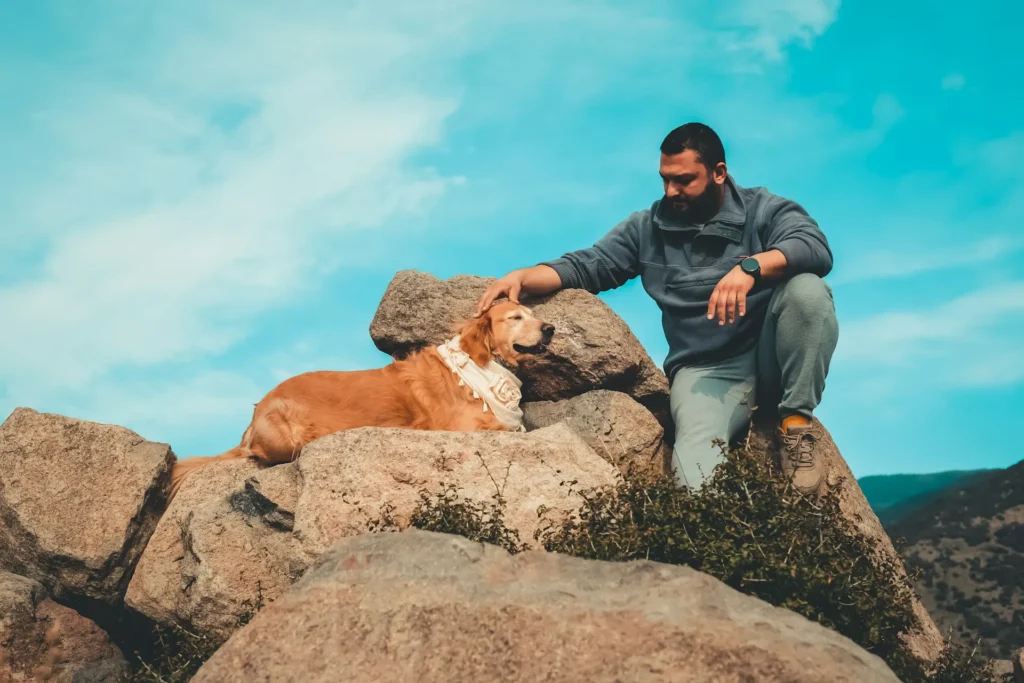
Few things are more enjoyable than exploring local trails with your canine companion by your side. Whether you’re walking […]


When it comes to protecting your canine companion’s long-term mobility, what you learn early can make a big difference later. At Marina Village Veterinary, your Alameda, CA veterinary clinic, PennHIP testing for dogs helps assess a dog’s risk for developing hip dysplasia long before obvious symptoms appear. Whether you have a growing puppy, an active sporting dog, or a beloved family pet, understanding hip health can help support a lifetime of movement and comfort.
Many pet owners are familiar with hip dysplasia, but may not know that advanced screening tools are available to evaluate risk at an early age. PennHIP testing for dogs is a specialized form of canine hip dysplasia screening that provides valuable information about hip joint stability. A PennHIP evaluation offers insights that traditional examinations cannot provide, helping veterinarians and owners make informed decisions about care, activity, and long-term joint health. Understanding the differences between PennHIP and OFA, and learning about hip health testing for dogs, can help you determine whether this screening is right for your furry friend.
Hip dysplasia is a developmental orthopedic condition that affects the hip joints. In dogs with hip dysplasia, the ball and socket portions of the hip do not fit together properly. Over time, this abnormal movement can contribute to joint wear, inflammation, and arthritis.
Hip dysplasia can range from mild to severe. Some dogs show symptoms early in life, while others may not develop noticeable mobility issues until they are older.
Common signs of hip dysplasia may include:
Not every dog with hip dysplasia displays obvious symptoms right away, which is one reason early screening can be valuable.
One of the challenges with hip dysplasia is that damage can begin developing before outward signs appear.
By the time a dog starts limping or showing discomfort, changes may already be occurring within the joint. Early screening allows veterinarians and pet owners to better understand a dog’s hip health before problems become apparent.
Knowing a dog’s risk level can help guide:
Early information often allows for a more proactive approach to joint health.
PennHIP stands for the University of Pennsylvania Hip Improvement Program. It is a specialized diagnostic technique developed to assess hip joint laxity, which refers to looseness within the hip joint.
Research has shown that joint laxity is one of the strongest predictors of future hip dysplasia. By measuring this looseness, a PennHIP evaluation provides valuable information about a dog’s risk for developing arthritis and hip-related problems later in life.
Unlike traditional hip evaluations that primarily assess existing joint changes, PennHIP focuses on joint stability.
This makes PennHIP one of the most effective forms of hip health testing currently available for dogs.
A PennHIP evaluation involves a series of specialized radiographs, commonly known as X-rays.
During the procedure, veterinarians obtain three separate radiographic views of the hips.
These images provide different perspectives that allow for a comprehensive assessment of joint structure and stability.
The specialized positioning techniques used during PennHIP testing help evaluate the extent of movement within the hip joint.
A key component of the PennHIP evaluation is calculating a measurement called the distraction index.
This value helps quantify the degree of hip looseness present.
Dogs with tighter, more stable hips generally have a lower risk of developing hip dysplasia, whereas greater laxity may indicate a higher risk.
One of the strengths of PennHIP testing is its objective nature.
The measurements provide standardized information that can be compared against breed-specific databases, helping veterinarians assess how a dog’s hips compare to those of others of the same breed.
Canine hip dysplasia screening refers to methods used to evaluate hip joint health and identify dogs at risk of developing hip dysplasia.
Screening serves several purposes:
Early identification allows owners and veterinarians to monitor joint health more closely and make informed lifestyle recommendations.
Understanding a dog’s orthopedic risk can help guide decisions to support healthy movement throughout life.
For breeders, hip screening provides valuable information when selecting breeding candidates.
Reducing the prevalence of hip dysplasia remains an important goal for many responsible breeding programs.
One feature that distinguishes PennHIP from some other screening methods is how early it can be performed.
PennHIP evaluations can typically be conducted in puppies as young as sixteen weeks of age.
This early assessment window provides valuable information during an important stage of development.
Because hip laxity remains relatively consistent throughout life, early measurements often provide meaningful insight into future risk.
For many owners, this early timing allows for proactive planning and monitoring.
While any dog can undergo PennHIP testing, certain groups may particularly benefit from screening.
Many large and giant breeds have an increased risk of hip dysplasia.
Examples include:
Early screening may provide valuable information for these breeds.
Active dogs place significant demands on their joints.
Understanding hip stability can be especially helpful for dogs involved in athletic, sporting, or working activities.
PennHIP testing is widely used by breeders seeking objective information about orthopedic health.
Screening helps support informed breeding decisions and long-term breed improvement efforts.
Even dogs that never participate in sports or breeding programs may benefit from understanding their hip health.
The information gained can help guide wellness planning throughout life.
Many pet owners researching hip health encounter discussions about PennHIP vs OFA.
Both methods evaluate hip health, but they approach the task differently.
The Orthopedic Foundation for Animals (OFA) evaluates hip conformation using radiographs.
The focus is on assessing the appearance of the hip joints and identifying existing changes associated with hip dysplasia.
PennHIP specifically measures joint laxity and assesses future risk.
Rather than focusing solely on the hip’s current appearance, PennHIP evaluates the stability of the hip joint itself.
Both programs provide valuable information, but they answer slightly different questions.
PennHIP emphasizes predicting future risk based on joint laxity, while OFA primarily evaluates the current condition of the hips.
Your veterinarian can discuss which evaluation may be most appropriate based on your dog’s age, breed, and goals.
PennHIP testing itself does not prevent hip dysplasia.
However, the information gained through screening can support decisions that may help manage risk and protect joint health.
For example, early knowledge of increased risk may influence:
The goal is to provide information that supports informed choices.
Whether a dog’s PennHIP results indicate low risk or increased risk, maintaining joint health remains important.
Excess body weight places additional stress on the hips and other joints.
Keeping your canine buddy at an appropriate weight supports mobility and orthopedic health.
Regular exercise helps maintain muscle strength and joint function.
Activity recommendations may vary depending on a dog’s age, breed, and health status.
Regular examinations allow veterinarians to monitor mobility and identify changes early.
Ongoing monitoring is especially valuable for dogs with increased orthopedic risk.
A veterinarian should evaluate any new stiffness, limping, or mobility concerns.
Early intervention often provides more options for managing orthopedic conditions.
Cornell College of Veterinary Medicine has a very thorough article on canine hip dysplasia. The AKC also has a good piece on hip dysplasia.
PennHIP testing for dogs is a specialized screening method that evaluates hip joint laxity to help predict the risk of future hip dysplasia. It uses specific radiographic techniques to assess hip stability and provide objective measurements.
The information gained from a PennHIP evaluation can help veterinarians and owners make informed decisions about long-term orthopedic health and mobility.
Most dogs can undergo a PennHIP evaluation as early as sixteen weeks of age. This allows veterinarians to assess hip stability during puppyhood rather than waiting until adulthood.
Early screening provides valuable information that may help guide future health and lifestyle decisions.
PennHIP and OFA serve different purposes. PennHIP focuses on measuring hip laxity and predicting future risk, while OFA evaluates the current appearance and condition of the hip joints.
Neither is universally better than the other. Your veterinarian can help determine which screening method is most appropriate for your dog’s individual circumstances.
PennHIP testing evaluates a dog’s risk for developing hip dysplasia by measuring joint laxity. It does not simply diagnose existing disease but helps predict the likelihood of future hip problems.
This predictive capability makes PennHIP a valuable tool for early orthopedic assessment and planning.
Understanding your dog’s orthopedic health starts with reliable information. At Marina Village Veterinary, your Alameda, CA veterinary clinic, PennHIP testing for dogs provides advanced insight into hip stability and future joint health. Whether you are interested in canine hip dysplasia screening, a professional PennHIP evaluation, or learning more about PennHIP vs OFA, our veterinary team is here to help. If you have been searching online for a “vet near me,” contact Marina Village Veterinary today to schedule an appointment and discuss whether hip health testing for dogs is right for your canine companion.
This blog is intended for informational purposes only. Always consult with your veterinarian for medical advice, diagnosis, and treatment recommendations tailored to your pet’s specific needs, and follow their professional guidance regarding your companion’s care.
If you would like to learn more about our Alameda, CA, animal hospital, our Service page is a great place to start. You’ll find information on all the excellent veterinary care services we offer, including standards such as Wellness and Vaccinations, Allergies and Dermatology, and Dentistry, as well as special services. We’re also proud to offer Pennhipp testing.
Few things are more enjoyable than exploring local trails with your canine companion by your side. Whether you’re walking […]
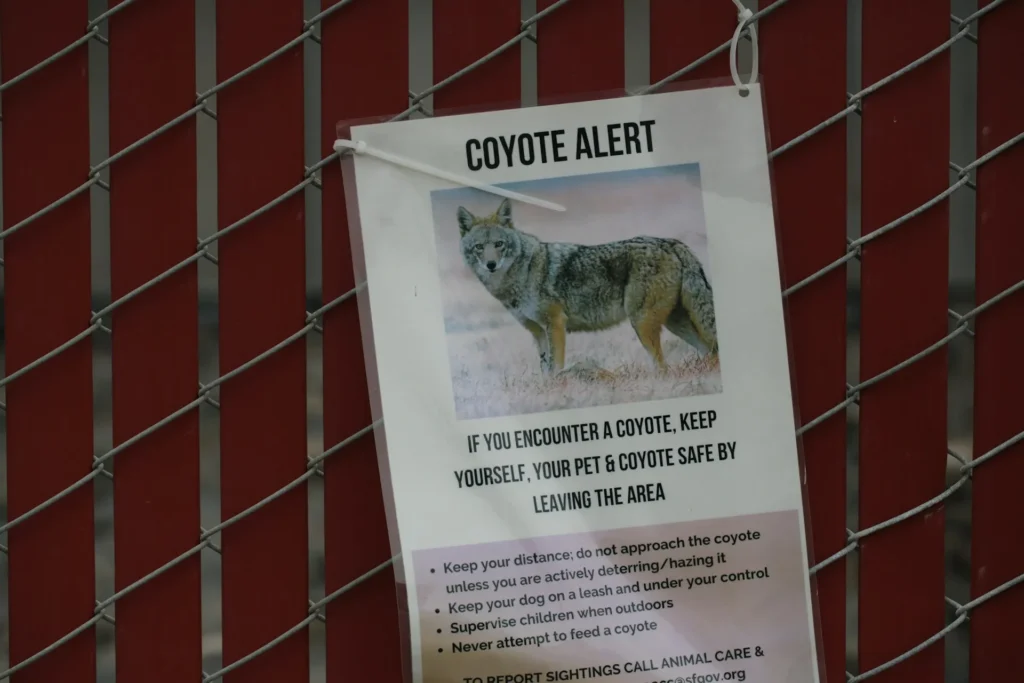
Spotting a coyote in your neighborhood can be surprising, but for many residents, it has become increasingly common. At […]
A simple walk through a field, trail, or grassy area can quickly turn into a veterinary emergency when foxtails […]